Early Maps of Yunnan
The history of maps in Yunnan began more than a thousand years ago. But it was the Jesuits who revolutionised mapping in China, producing the first accurate maps of the provinces, including remote Yunnan.

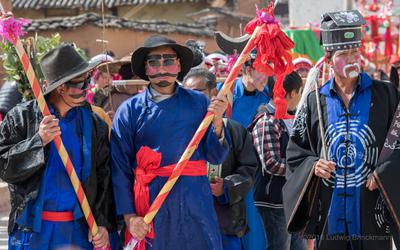
Hand-made giant sparklers, called "Fire Flowers" 火花, are part of the firework displays for temple fairs in Menglian county.
马健雄 (Ma Jianxiong): The Lahu Minority in Southwest China: A Response to Ethnic Marginalization on the Frontier
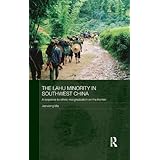
The Lahu, with a population of around 470,000, inhabit the mountainous country in Yunnan Province bordering on Burma, Laos and northern Thailand. Buddhists, with a long history of resistance to the Chinese Han majority, the Lahu are currently facing a serious collapse of their traditional social system, with the highest suicide rate in the world, large scale human trafficking of their women, alcoholism and poverty. This book, based on extensive original research including long-term anthropological research among the Lahu, provides an overview of the traditional way of life of the Lahu, their social system, culture and beliefs, and discusses the ways in which these are changing. It shows how the Lahu are especially vulnerable because of their lack of political representatives and a state educated elite which can engage with, and be part of, the government administrative system. The Lahu are one of many relatively small ethnic minorities in China – overall the book provides an example of how the Chinese government approaches these relatively small ethnic minorities.
A number of Chinese historic texts covering life and politics in Yunnan have survived over the centuries. I have translated a few of them.
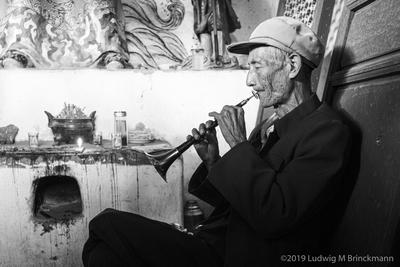
Suona melodies in the Pingchuan area of Binchuan.

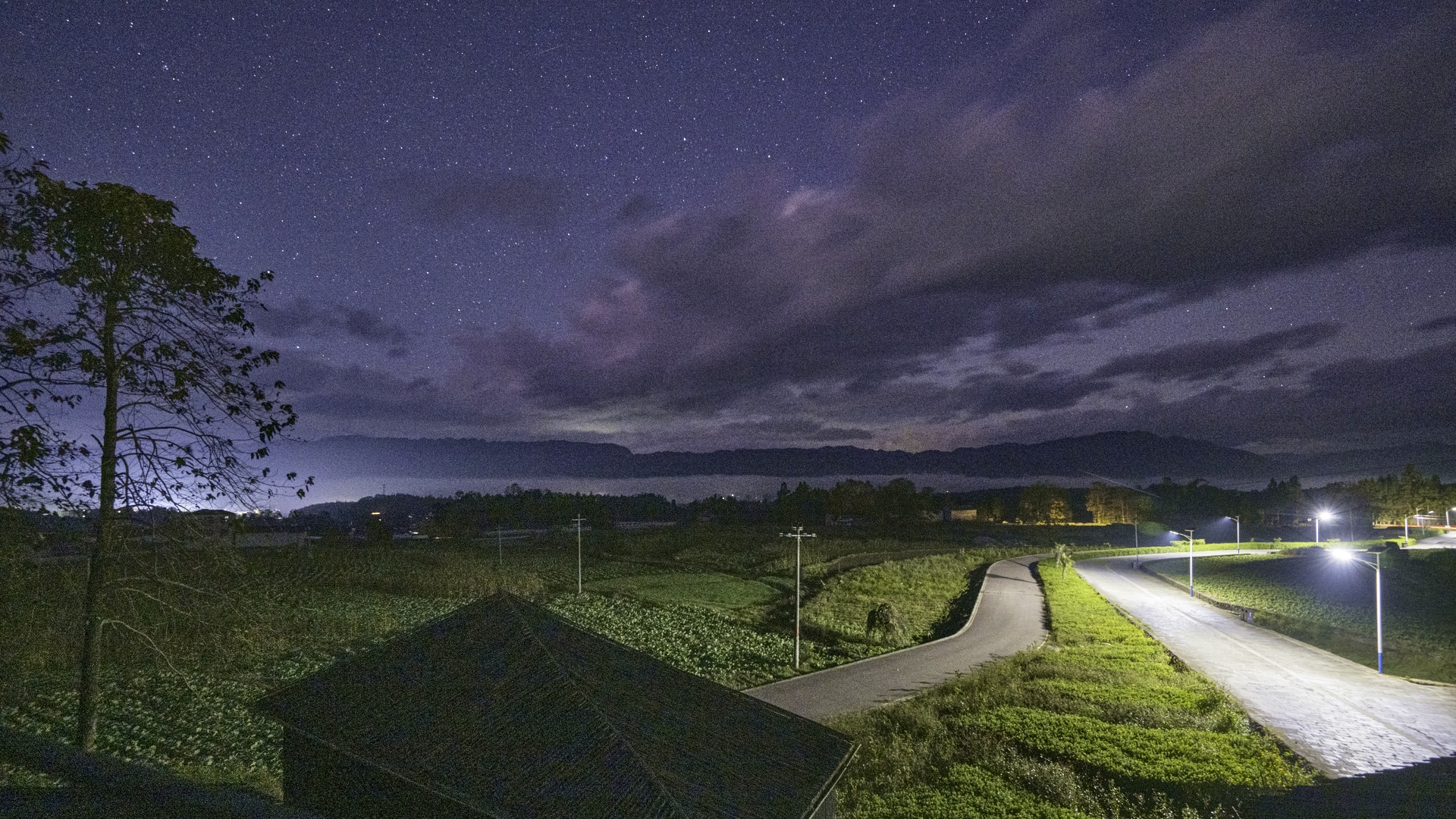
An unspoilt Tibetan area along the Zhibaluo River.
Ronald G. Knapp: China's Old Dwellings
Few people know as much about Chinese architecture as Knapp: from palaces to humble homes he explains important building principles; the connection between environment and housing styles and the development of style over time. A section on minority housing styles complements the book.
Temple to some of the rulers after Nanzhao.
With its well-preserved architecture and tranquil atmosphere, Weishan's capital is Yunnan's most beautiful county town.
Upcoming Festivals
| Name | Date |
|---|---|
| Opening of the Fishing Season | 28 Oct |
| Guanyin Enlightenment | 28 Oct |
| Dharmic Assembly | 31 Oct |
| Benzhu Worship | 31 Oct |
| Pupeng Zhejume Pilgrimage | 31 Oct |
| Benzhu Worship | 01 Nov |
| Open Door Festival | 01 Nov |
| Anniversary of Yangbi County Foundation | 01 Nov |
| Benzhu Festival | 01 Nov |
| Temple Fair | 01 Nov |
| Dongshan Tuzhu Temple Fair | 02 Nov |
| Jingpo New Rice | 04 Nov |
Markets this Thursday
| Kunming | 昆明 |
|---|---|
| Tuanjie | 团结 |
| Dali | 大理 |
|---|---|
| Nanxin | 南新 |
| Yangcen | 羊岑 |
| Niujie | 牛街 |
| Shuixie | 水泄 |
| Maidi | 脉地 |
| Haidong | 海东 |
| Xintun | 辛屯 |
| Gudi | 古底 |
| Songgui | 松桂 |
| Yinqiao | 银桥 |
| Qiaohou | 乔后 |
| Daying | 大营 |
| Taiyi | 太邑彝族乡 |
| Huangping | 黄平镇 |
| Gonglang | 公郎镇 |
| 前所 | |
| 鲁庄 | |
| Qinghaiying | 青海营 |
| 太和社区 | |
| Midian | 米甸镇 |
| 西庄 | |
| 寅街村 | |
| 云南驿村 | |
| Qiaodian | 乔甸镇 |
| Lijiang | 丽江 |
|---|---|
| Shigu | 石鼓镇 |
| Xishuangbanna | 西双版纳 |
|---|---|
| Xiding | 西定哈尼族乡 |
| Honghe | 红河 |
|---|---|
| Dianwei | 甸尾乡 |
| Majie | 马街 |
| Heping | 和平乡 |
| Lvchun | 绿春县 |
| Nanke | 南科 |
| Xinjie | 新街 |
| Jinping | 金平苗族瑶族傣族自治县 |
| Baixian | 白显 |
| Baoxiu | 宝秀镇 |
| Shaochong | 哨冲镇 |
| Mengqiao | 勐桥乡 |
| Xincheng | 新城乡 |
| Wenshan | 文山 |
|---|---|
| Pingzhai | 平寨乡 |
| Banlun | 板仑乡 |
| Banggu | 蚌谷乡 |
| Muyang | 木央镇 |
| Nanping (Majie) | 南屏镇 (马街) |